
We founded MarginMate with one goal: to build an electronic shelf label solution that worked the way retail operations require. More than two decades later, we are the most experienced ESL integrators in North America, with over 350 installations across four countries and a track record that spans some of the most demanding retail environments in the world.
The MarginMate Advantage
When you work with this technology long enough, you learn the things no spec sheet will ever tell you:
- how to plan infrastructure around fixtures that are not easy to work with
- how to manage an overnight installation and still have the store ready to open on time
- how to solve small on-site problems that can hold up an entire rollout
That kind of practical experience shapes every installation we do.
Proven ESL Experience Across Complex Retail Environments
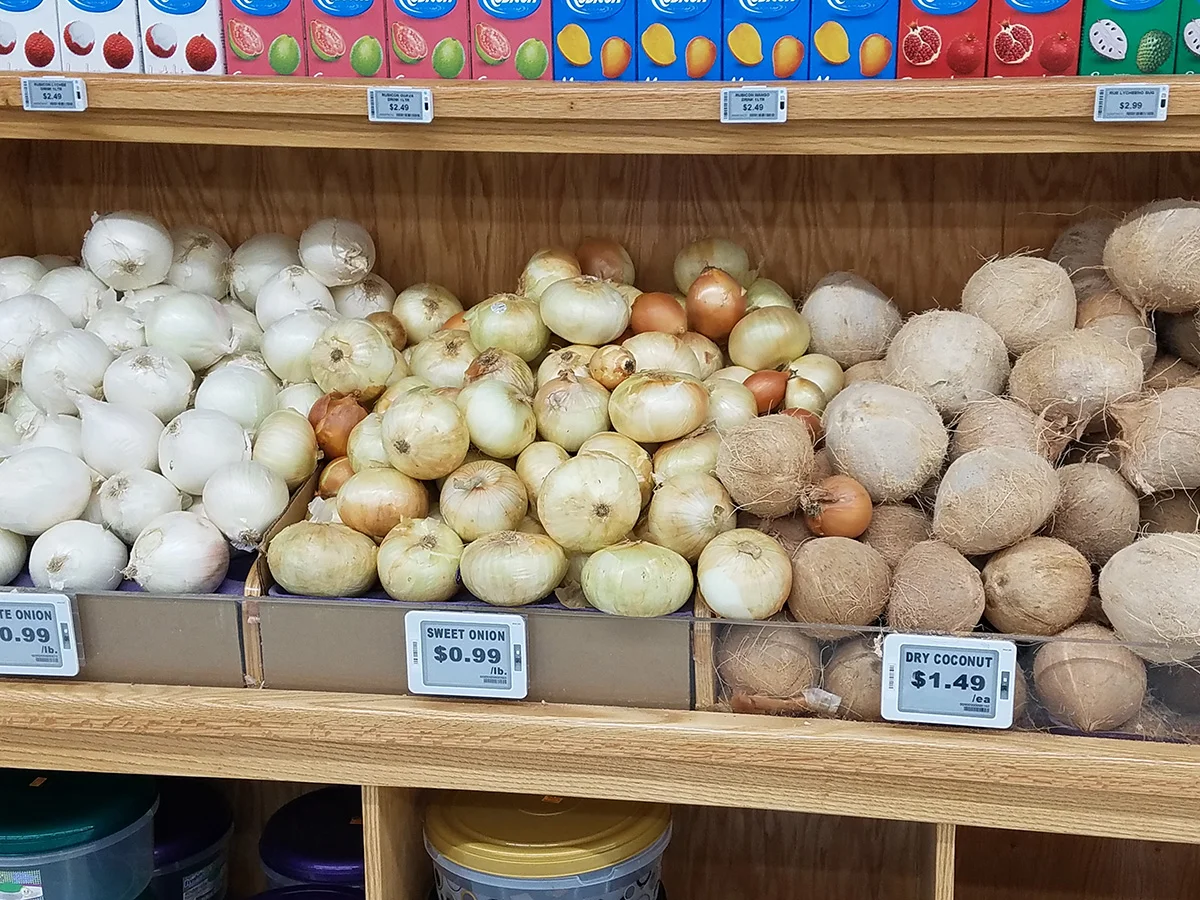
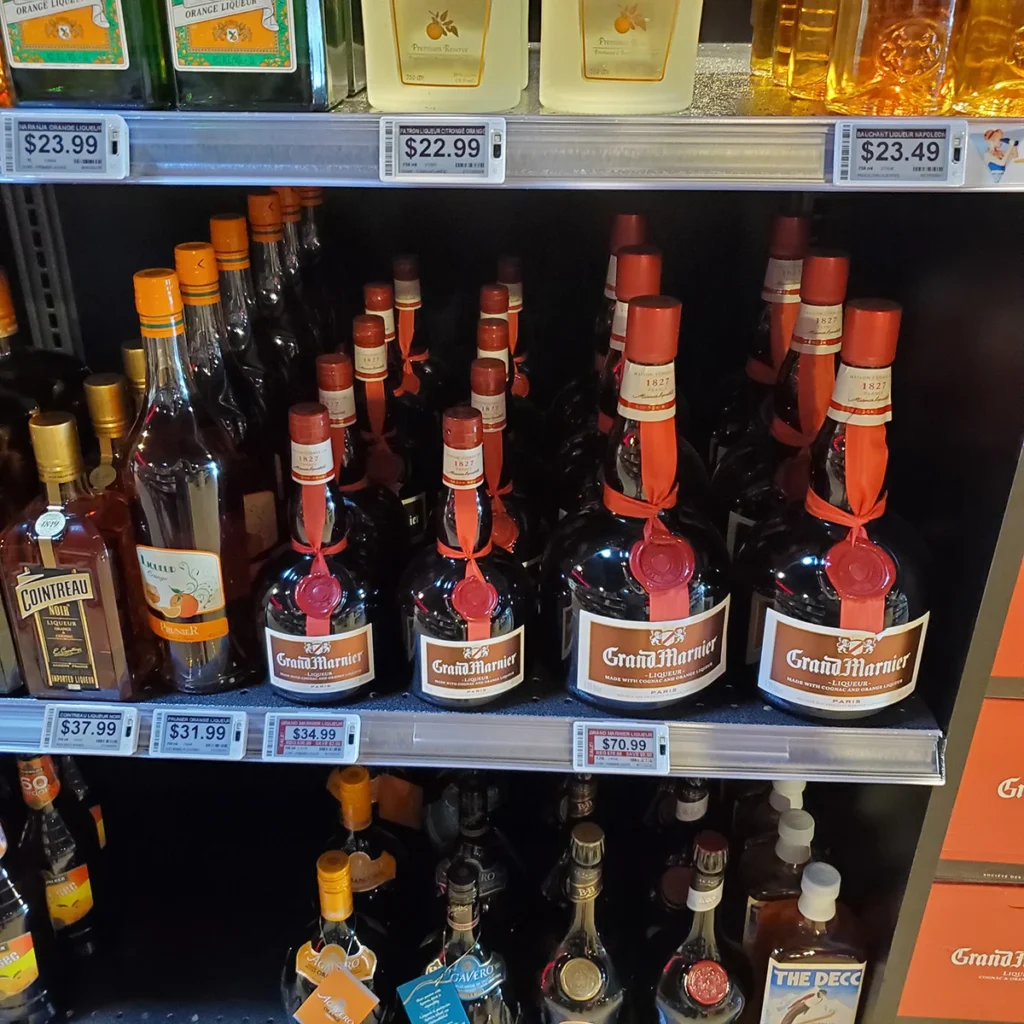
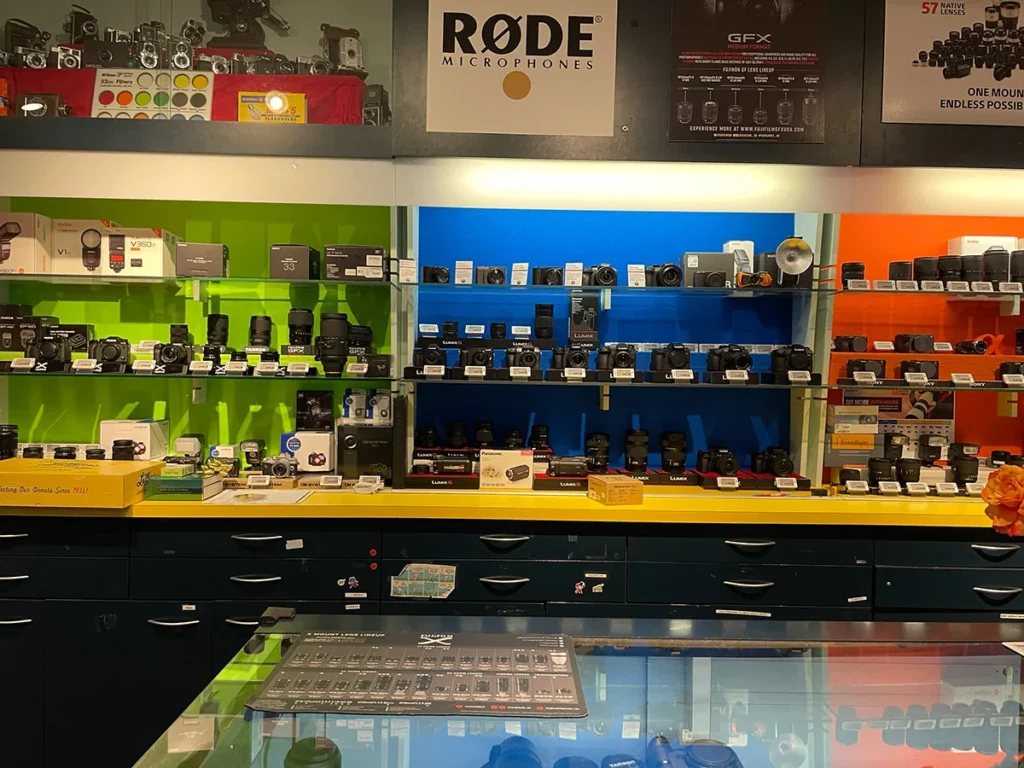
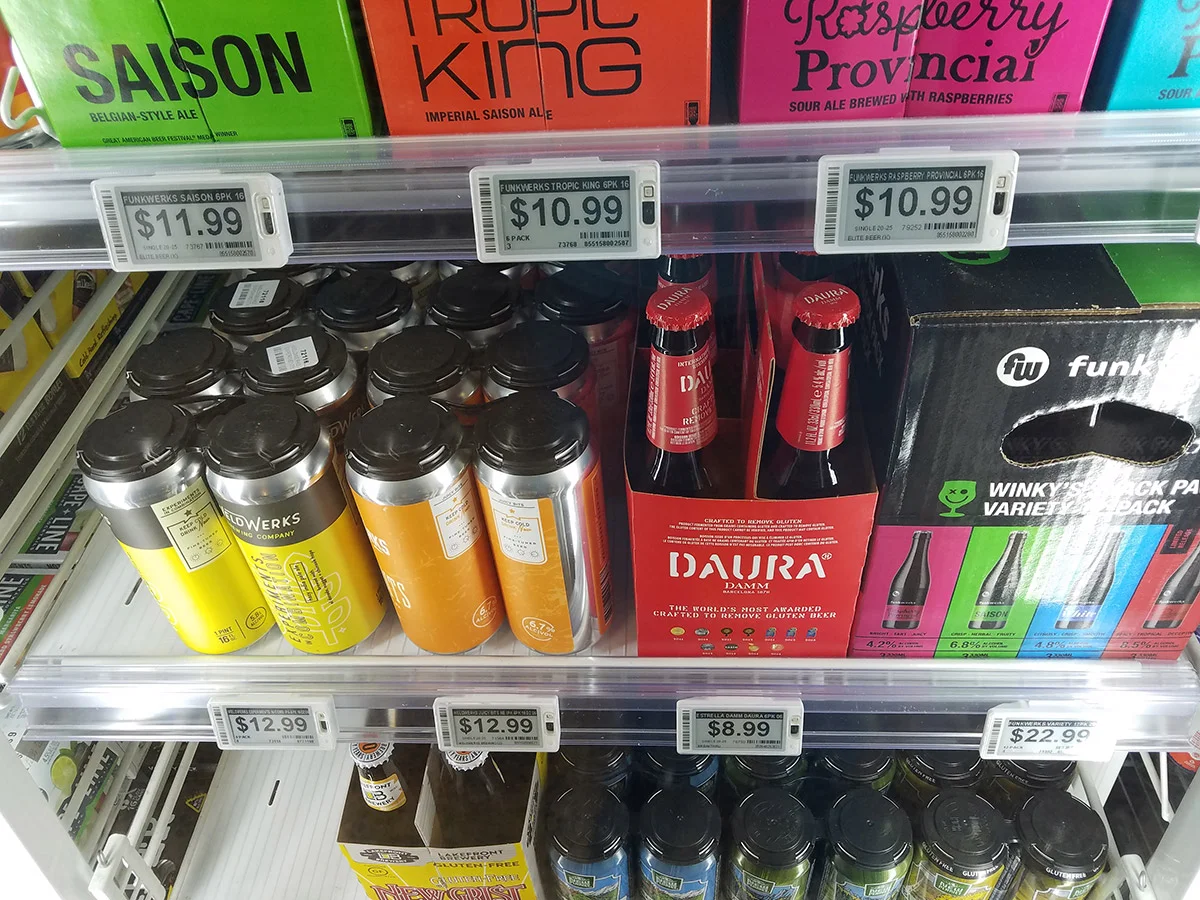
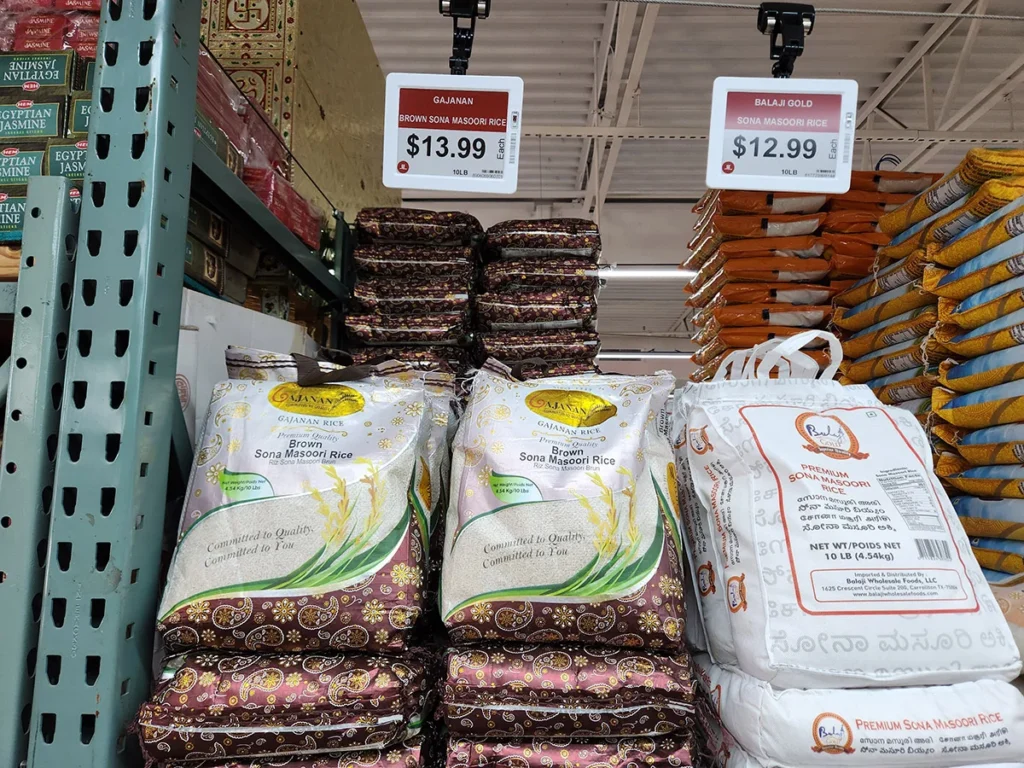
We have deployed electronic shelf label systems across a wide range of environments, including liquor, furniture, grocery, pharmacy, electronics, college bookstores, convenience, production lines, and office signage.
That matters because every environment works differently. Each has its own constraints, workflows, and expectations, and we have experience working through them.
The Largest ESL Retail Footprint in the World
Nebraska Furniture Mart’s Dallas location spans 1.85 million square feet, with 560,000 square feet of selling space. We deployed over 24,000 electronic shelf labels across that single store, covering recliners, bedroom suites, area rugs, appliances, electronics, and home accessories. We are not saying this to brag. We are saying it so you know you are not the first person to do this.
Top Features of Our Electronic Shelf Labels Solution
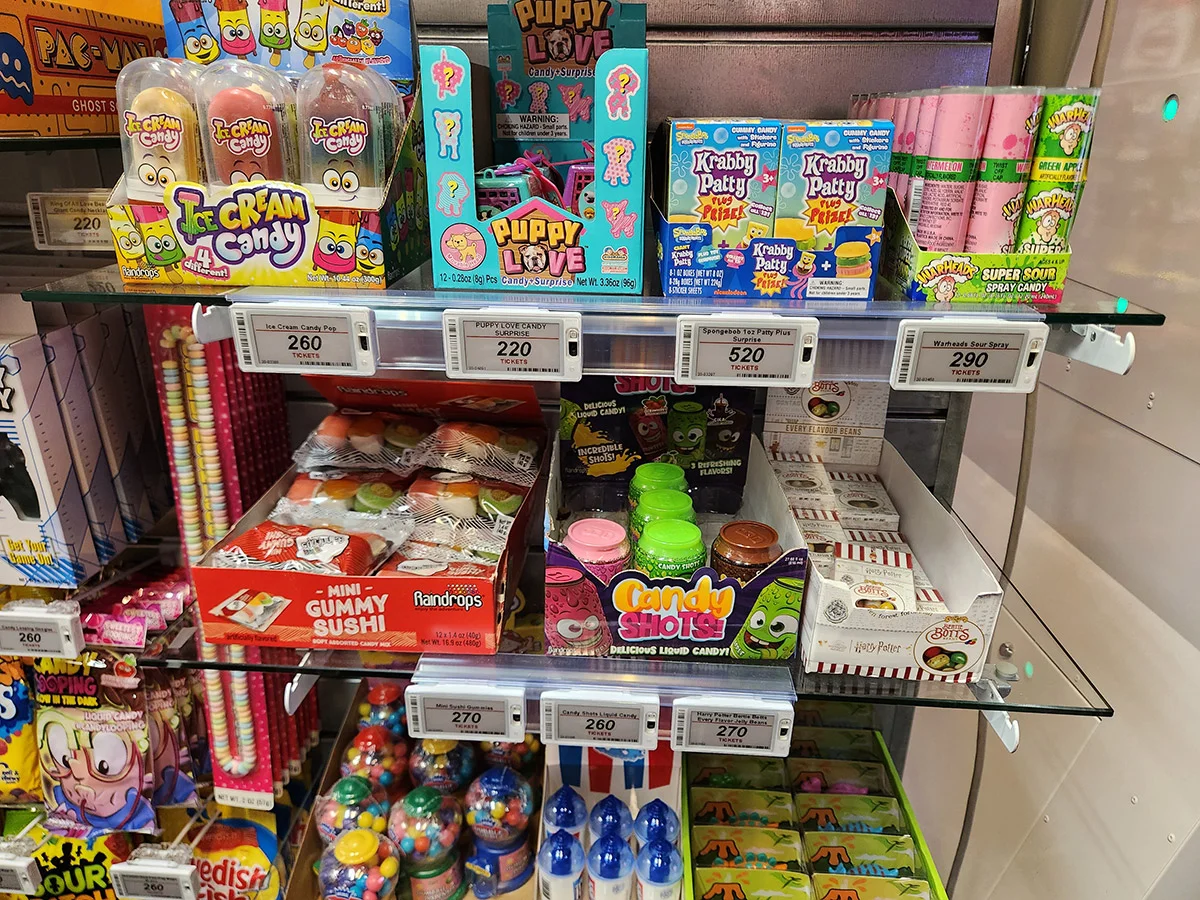
Our electronic shelf labels solution is built around the operational realities of retail.
Here is what that looks like in practice:
| Feature | What It Means for Your Store |
|---|---|
| Zero Wireless Bandwidth | Pricing updates run on infrared light, completely independent of your store Wi-Fi. Labels update without competing with POS terminals, customer devices, or other store systems. |
| Direct POS Integration | Price changes entered in your POS or pricing system flow automatically to the shelf - no parallel data entry, no manual trigger required. |
| Store-Wide Updates in Seconds | A single price change or promotion can reach every affected label across the entire store within seconds, regardless of store size. |
| SmartFLASH LED Guidance | Any label can be activated to flash in under one second, guiding staff to the correct shelf location for click-and-collect picks, put-to-light replenishment, or inventory checks. |
| Staff-Facing Back Pages | Each label supports multiple display pages. Customer-facing pages show pricing; back pages, accessible via handheld IR Key, display stock quantity, replenishment flags, and operational data. |
| Proactive System Monitoring | We monitor your deployment for issues before they reach the sales floor. Problems are identified and resolved without requiring your team to report them. |
| Fixed-Fee Annual Support | Template changes, retraining, and ongoing help desk access are covered under a single annual fee. No per-incident charges, no escalating costs as your deployment matures. |
| 10-Year Battery Life | Labels are designed to run for up to 10 years without battery replacement, keeping maintenance off your store team's plate and out of your operating budget. |
For full technical specifications, review our product specs.
ROI That Holds Up: Labor, Accuracy, and Execution Gains
Across our customer base, our electronic shelf label systems are responsible for a minimum of 3,619,200 price changes per year. Those changes save our customers more than $10,000,000 annually, simply by eliminating the time it takes a person to physically change a label.
That number does not include the value of avoided pricing errors, faster promotion execution, or the margin recovered from pricing moves that would never have been viable with a manual process.
The ROI case for an ESL solution has three components:
- Labor savings: eliminating weekly tag-print, distribute, and replace cycles across every department and location
- Pricing accuracy: fewer shelf-to-POS mismatches, fewer customer overrides, fewer compliance risks
- Execution speed: promotions that launch on time, markdowns that apply immediately, micro-price adjustments that are now economically viable
We also help build the business case before you commit. See the full breakdown of benefits and cost economics, including our TCO framework for evaluating long-term infrastructure costs.
Integration First: Connecting Pricing, POS, and Item Data
Our integration-first approach means we connect directly to your existing POS, ERP, or pricing system before a single label goes on a shelf. Price updates flow automatically through APIs, pricing files, or scheduled data feeds, whatever matches how your team already works. You do not change your pricing process. The system adapts to it.
We have built integrations across a wide range of retail pricing environments, and we manage the data layer that keeps your shelf and checkout consistently aligned.
Rollouts Done Right: Planning, Installation, and Go-Live
We are approaching our 400th installation, and that experience shows up early in the process.
Each project begins with a careful review of the store layout, fixture types, and pricing workflow, so infrastructure is placed for reliable coverage. Installation is handled by your low-voltage contractors, keeping that labor outside our pricing.
The result is a system that is ready to work on day one, without go live surprises or retrofits later.
What we manage on every rollout:
- Site assessment and infrastructure planning
- POS, ERP, and pricing system integration
- Label template design and branding configuration
- Installation coordination across all fixtures and departments
- System activation and go-live support
Ongoing Support: Monitoring, Training, and Optimization
Most ESL vendors step back after going live, but we stay involved.
Our fixed annual support fee includes template updates, staff retraining, and help desk support, with no per-incident charges or growing fees over time. Proactive monitoring helps catch issues early, often before they affect the store.
As your needs change, we adjust the system with you, from label additions and department changes to updated templates, without treating every update like a new project.
Frequently Asked Questions
How do you estimate return on investment for an electronic shelf labels solution?
We look at the numbers using the data you already have, including price change frequency, labor time, pricing errors, and rollout size. That gives us a realistic view of what the return could look like in your store. If the numbers support the investment, we will show you why. If they do not, we will tell you that too.
What are the top features retailers look for in an ESL program?
Reliable updates, clear displays, and integrations that keep the shelf and checkout aligned are the baseline. Beyond that, retailers prioritize flexible label templates, proactive monitoring, and predictable long-term support costs. SmartFLASH LED guidance for click-and-collect and put-to-light replenishment is increasingly a deciding factor for grocery and fulfillment-heavy operations.
Can MarginMate manage the full ESL rollout from integration through installation?
Yes. We handle planning, integration, rollout coordination, physical installation support, and post-launch monitoring. Your internal IT team does not need to manage the deployment. Low-voltage installation is handled by your existing contractors, and we support the system long-term under a fixed annual fee.