
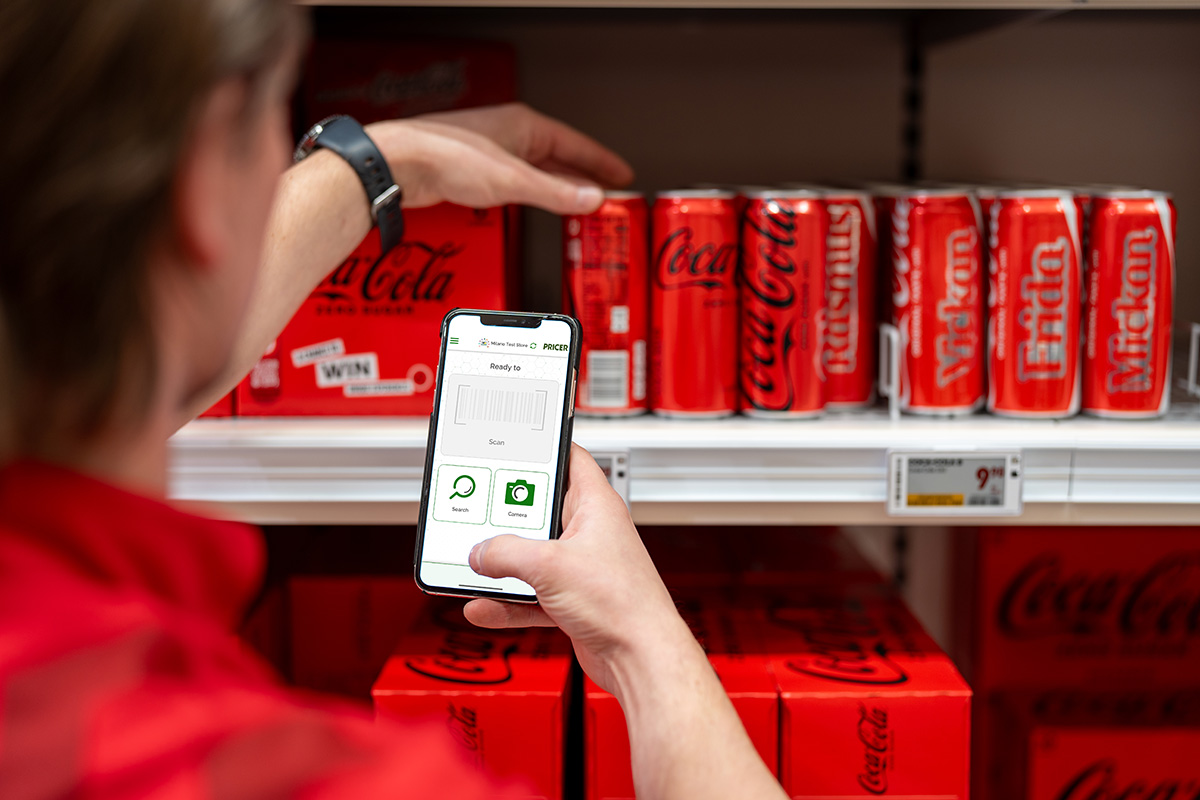
The benefits of electronic shelf labels include faster price changes, stronger shelf-to-POS accuracy, more efficient promotion execution, and less manual pricing work. For retailers managing thousands of SKUs across multiple locations, ESLs replace repetitive paper-tag changes with a centrally managed pricing process.
MarginMate provides electronic shelf label solutions with POS integration, implementation support, and long-term retail expertise. Our team can help you assess the operational and financial case for ESLs based on your store environment, pricing processes, and rollout requirements.
What Changes After Switching From Paper Tags
Paper labels turn many price changes into a recurring operational task. ESLs turn it into a system update, allowing pricing changes to be managed centrally rather than requiring staff to print, distribute, and physically replace individual tags.
Here’s what that shift looks like in practice:
| Capability | ESL System | Paper Labels |
|---|---|---|
| Price update speed | Rapid, centrally managed updates | Requires tag-by-tag replacemen |
| Shelf-to-POS accuracy | Centrally synchronized with POS pricing | Dependent on timely manual updates |
| Promotion execution | Centrally scheduled and managed | Requires manual store-level execution |
| Labor requirement | Reduces recurring manual tag-change work | Recurring printing and replacement effort |
| Markdown & clearance execution | Centrally managed, depending on system configuration | Store-by-store manual process |
| Multi-store consistency | Centralized pricing control | Dependent on store-level execution |
| Audit readiness | System records can provide a history of changes | Manual records may be required |
| Inventory workflow support | Can provide shelf-level operational information | Requires separate operational processes |
The operational impact depends on the retailer’s pricing processes, store environment, and system configuration. For larger retailers, the value can come from more consistent pricing execution across locations, faster response to pricing decisions, and reduced recurring manual work.
Pricing Accuracy: Fewer Shelf-to-Checkout Mismatches
Shelf-to-POS discrepancies can occur when a price is changed in a retail system, but the physical shelf label is not updated at the same time. ESLs remove manual label replacement as a major source of these discrepancies by allowing pricing updates to be distributed electronically to the relevant labels.
When a price change is made in the connected system, affected labels can be updated centrally without requiring staff to physically replace each paper tag.
The practical benefits can include:
- Shelf pricing can be synchronized with POS pricing, helping reduce discrepancies caused by delayed manual label changes
- Unit pricing and other configured information can be updated electronically alongside the relevant product data
- Price changes can be recorded within the system, providing a digital history that can support auditing and operational review
- Centralized pricing updates can make it easier for multi-store retailers to manage pricing consistently across locations
ESLs can therefore reduce one of the manual processes that contribute to shelf-to-checkout discrepancies. Actual pricing accuracy will still depend on the quality of the underlying data, system configuration, integrations, and operational processes.
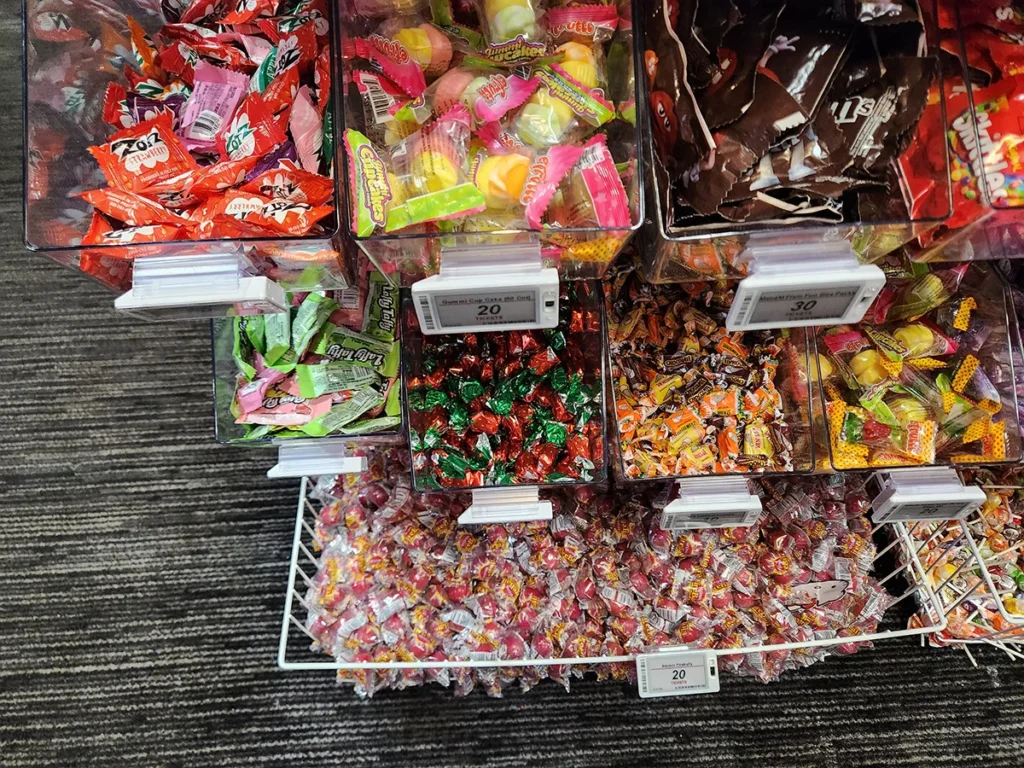
Inventory Visibility and Replenishment
ESLs can support inventory visibility, replenishment, and product identification workflows by giving staff access to shelf-level information alongside customer-facing pricing and product details.
The specific information available depends on the ESL system, integration, and configuration. When connected to relevant retail systems, staff can use the labels to access operational information and respond to replenishment requirements more efficiently.
Back Pages: Staff-Facing Information at the Shelf
handheld IR Key,
Each MarginMate label features multiple display pages. The customer-facing page displays price and product information, while back pages, accessible through a handheld device such as an Android or iOS device, can display operational information such as stock quantity on hand and replenishment flags.
This can help your team:
- Identify low-stock conditions on the shelf
- Respond more quickly to replenishment triggers
- Reduce the need for some manual shelf-level information checks
- Support more efficient replenishment workflows during busy periods
SmartFLASH: Put-to-Light Replenishment and Click-and-Collect
Every label is SmartFLASH-enabled. A flashing LED can be activated from the system in under one second on any label, in any department, across the entire store.
For put-to-light replenishment, SmartFLASH shows staff exactly which shelf location needs restocking without a printed pick list or verbal instruction. For click-and-collect, it guides the pick associate directly to the right location – faster picks, fewer errors, no additional hardware beyond the labels already installed.
These capabilities can help coordinate activity between the sales floor and back-of-house by providing operational information directly at the shelf.
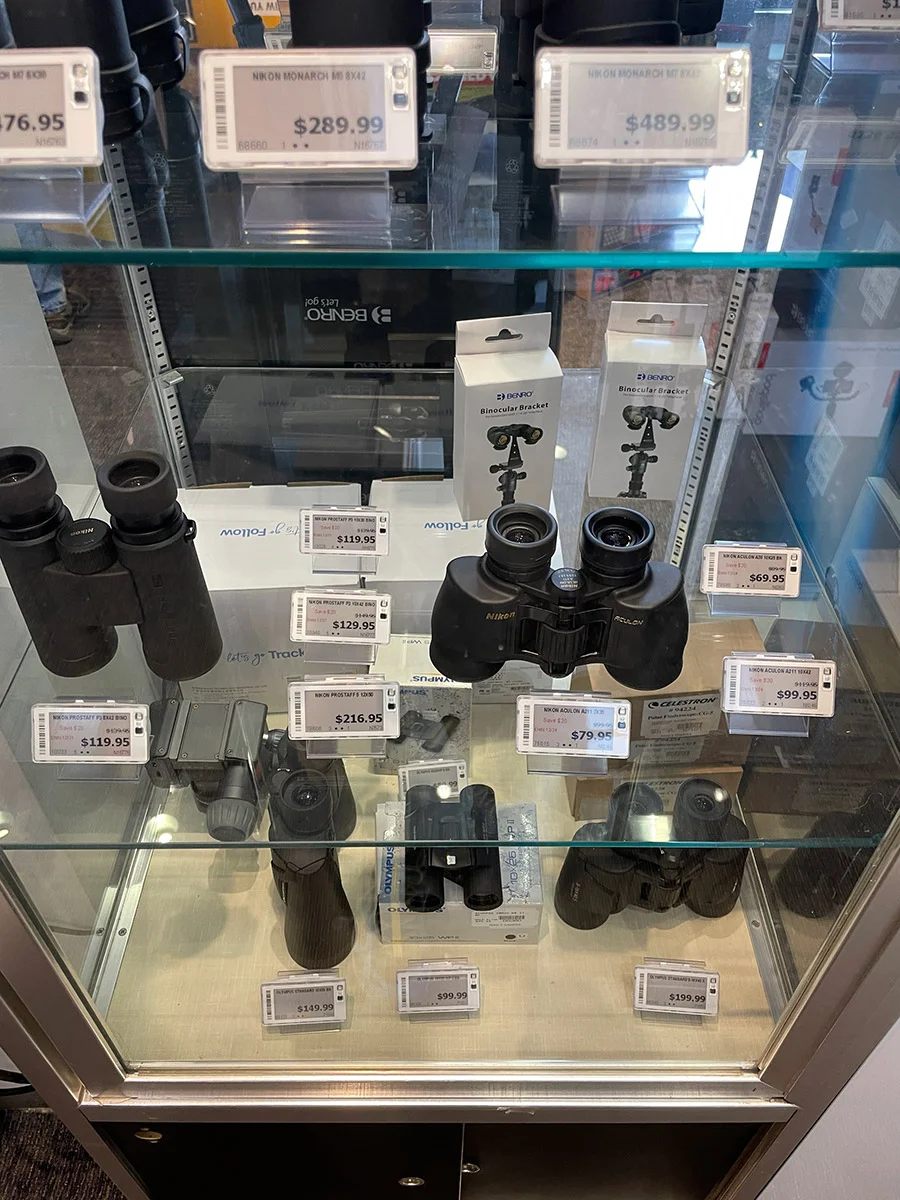
Promotion Execution: Faster Updates, Fewer Missed Promos
Every day a promotion launches late is a margin you don’t recover. When pricing is tied to a physical label, your execution speed is limited by how fast your team can print, distribute, and swap tags. It’s rarely fast enough.
With ESLs, promotions can be scheduled in advance and deployed centrally, reducing the need for store-level coordination and helping support consistent rollout where some aisles are current and others aren’t. A price change in your POS can update relevant labels within seconds, depending on system configuration.
For retailers responding to competitor pricing moves, supplier cost changes, or end-of-day markdown decisions:
- Launch time-sensitive promotions the moment they’re approved, not hours later
- Schedule future promotions in advance and let the system execute them on time
- End a promotion cleanly – labels can be configured to revert when the promotion ends, leaving no stale promo tags on the shelf
- Centralize promotion updates across participating locations, so no store is ahead or behind
The Business Case for ESLs at Scale
The business case for ESLs becomes more relevant as store count and SKU volume increase. Manual price changes create a recurring workload at each location, while a centrally managed ESL system can distribute pricing updates without requiring the same physical process in every store.
For multi-store retailers evaluating whether ESLs make sense for their operations, key considerations include:
- Labour required for printing, distributing, and replacing paper tags
- Time spent resolving pricing discrepancies
- Promotion and markdown execution
- Paper, printing, and consumable costs
- Coordination between stores and central teams
- Infrastructure, maintenance, and ongoing support
- The number and frequency of price changes
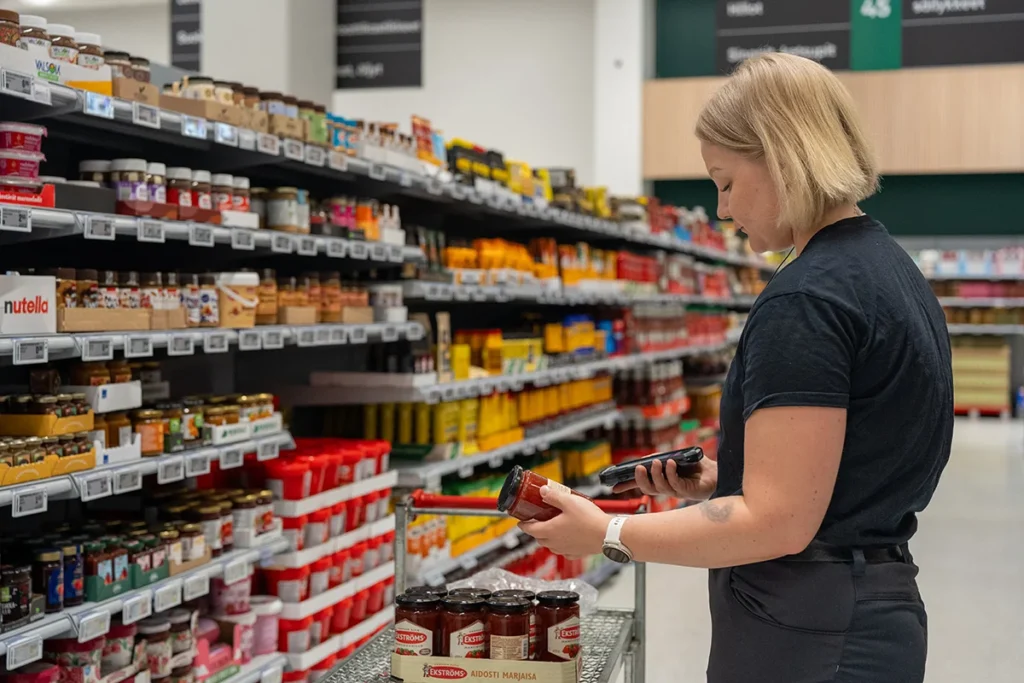
Understanding the Total Cost of Ownership of ESLs

Building the Business Case for ESLs
The cost of an ESL deployment extends beyond the initial hardware investment. Retailers should consider the labor involved in price changes, installation requirements, software and support, maintenance, replacement requirements, and other ongoing operating costs.
We can help bring these factors together to assess the financial case for an ESL deployment based on your store environment and operating model.
Look Beyond the Initial Investment
Total cost of ownership provides a broader view of what an ESL system requires over its operating life.
Key considerations include:
- Installation and deployment costs
- Labour associated with manual price and promotion changes
- Hardware and replacement requirements
- Software and system support
- Infrastructure requirements
- Maintenance and ongoing operating costs
- The expected operating life of the labels and supporting equipment
The relative importance of each factor will depend on your number of stores, SKU count, pricing frequency, and operating processes.
The Communication Technology Matters
The communication technology used by an ESL system affects how the solution is deployed and operated. Different approaches can have different requirements for connectivity, infrastructure, power management, installation, and ongoing support.
Retailers should therefore evaluate the complete system and its operating requirements rather than relying on a single technical specification.
MarginMate Uses Infrared Communication
MarginMate uses infrared light for communication with its electronic shelf labels. This means the ESL communication system does not rely on the store’s conventional Wi-Fi network for label communication.
When evaluating the technology, retailers should consider how the communication method fits their existing infrastructure, installation requirements, power-management approach, and operational environment.

Evaluating ESL Costs Over the Long Term
A meaningful TCO assessment should consider both the initial deployment and the costs associated with operating the system over time.
Retailers can evaluate:
- Hardware and installation
- Infrastructure requirements
- Software and support
- Maintenance
- Label and component replacement
- Pricing and promotion labor
- System management requirements
- Expected operating lifespan
The right TCO calculation depends on the retailer. A multi-store operation with frequent pricing changes may have a very different cost profile from a smaller retailer with fewer SKUs and less frequent updates.
Contact MarginMate to discuss the factors that could be included in an ESL TCO assessment for your operation.
KPIs to Track After Rollout
The operational impact of an ESL deployment can be measured by establishing baseline performance metrics before implementation and tracking them after rollout. Pricing, operations, and IT teams can establish baseline measurements before implementation and track changes after rollout.
| KPI | What to Measure | Cadence |
|---|---|---|
| Pricing accuracy | % of shelf prices matching POS | Spot-check, weekly |
| Label change speed | Time from approval to shelf update | Per pricing cycle |
| Promotion compliance | % of promos active on schedule | Each promo event |
| Labor hours on pricing | Staff hours per week spent on tags | Monthly trend |
| Inventory discrepancy rate | Shelf count vs system count variance | Post-cycle audit |
| Click-and-collect pick speed | Time from order to pick confirmation | Ongoing (if applicable) |
Retailers can establish a baseline for these metrics before go-live and compare performance after implementation. The MarginMate team can help define an appropriate tracking approach for your environment.
What Do Our Customers Think?
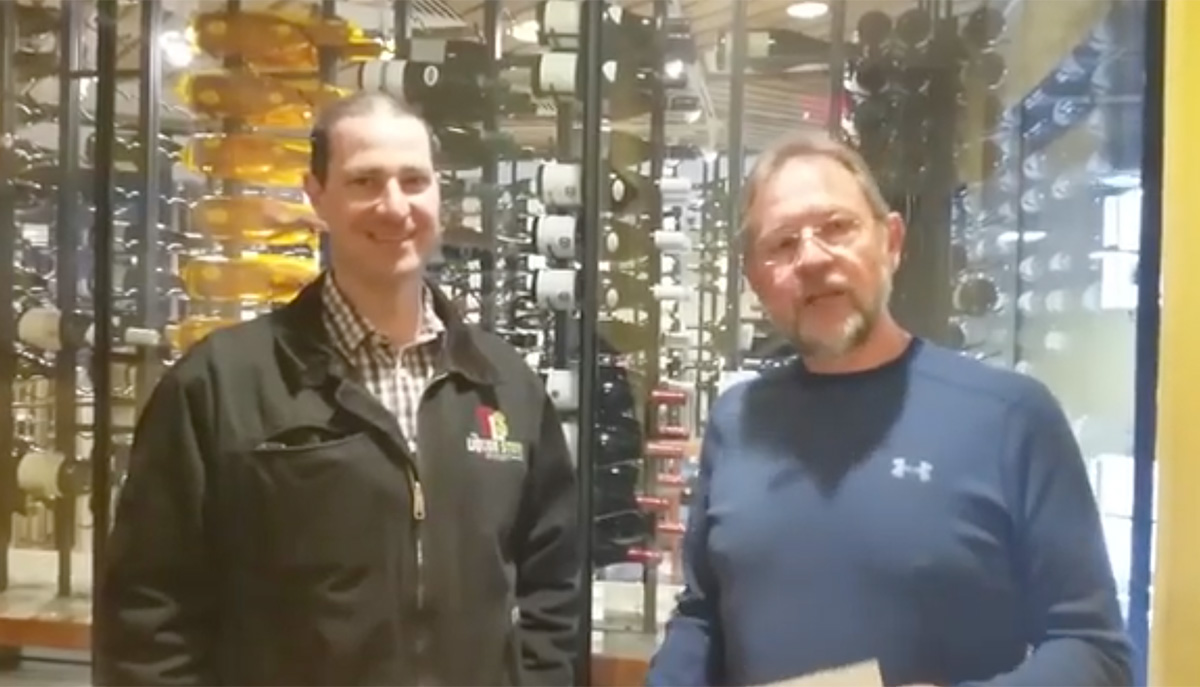
Retailers across grocery, liquor, furniture, and specialty retail choose MarginMate for its reliability, performance, and ability to deliver accurate pricing in complex, high-SKU environments. Watch real customers share their experience with our digital price tags for retail.

Frequently Asked Questions
What Are the Biggest Benefits of Electronic Shelf Labels?
The main benefits of electronic shelf labels include more consistent shelf pricing, faster price and promotion updates, and reduced manual work associated with printing and replacing paper tags. ESLs can also improve price accuracy and regulatory compliance by helping keep shelf and POS pricing synchronized, reducing the risk of audit failures, fines, and customer disputes. They also provide centralized pricing control across locations, digital records of pricing changes, and shelf-level tools that support inventory, replenishment, and fulfillment workflows.
How Do Digital Price Tags Support Inventory Management?
Digital price tags can support inventory management and replenishment workflows by giving staff access to current shelf-level operational information. Depending on the system and configuration, this can include stock quantity information, low-stock indicators, product identification, and replenishment flags.
MarginMate supports these workflows through back-page information and SmartFLASH functionality, allowing staff to access relevant operational information and identify shelf locations that require attention.
Are ESLs Cost-Effective for Retail Chains?
They can be, particularly for multi-store retailers with frequent price changes and a significant amount of recurring manual pricing work. The potential business case depends on factors including store count, SKU volume, pricing frequency, labour costs, implementation costs, infrastructure requirements, maintenance, and ongoing system support.
How Do Electronic Shelf Labels Integrate With a Retailer’s POS System?
Electronic shelf labels can integrate with a retailer’s POS and pricing systems to synchronize product and pricing information between the digital shelf label and the connected retail environment. When a price is changed in the connected system, the relevant ESLs can receive the updated information electronically, depending on the integration and system configuration.
This can reduce the need for staff to manually replace paper labels after pricing changes and can help maintain consistency between shelf pricing and the retailer’s configured POS pricing.