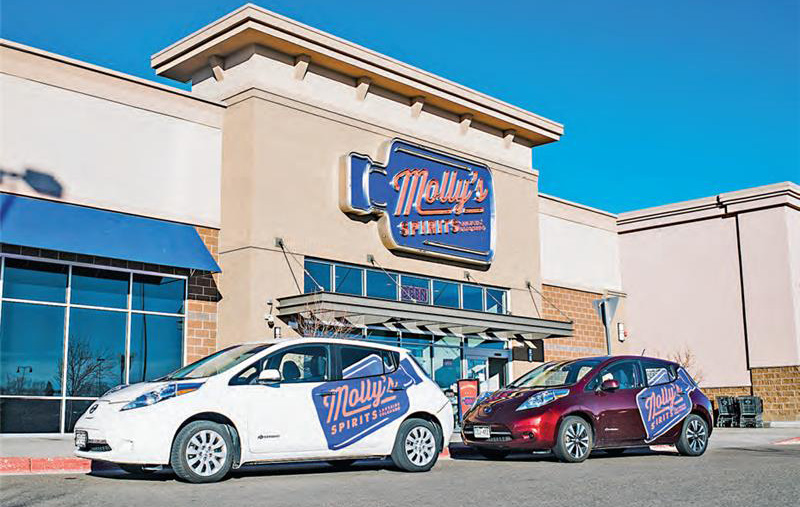
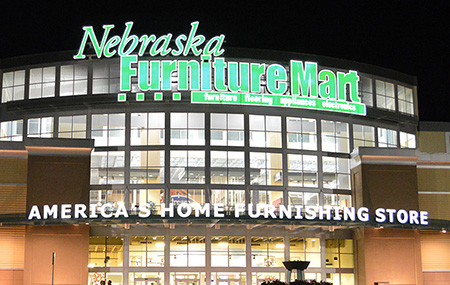
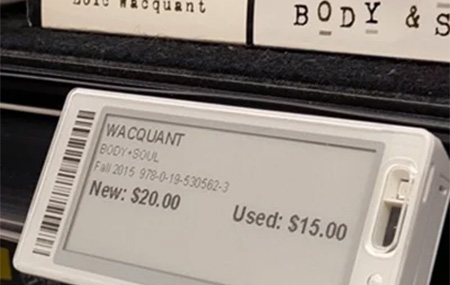
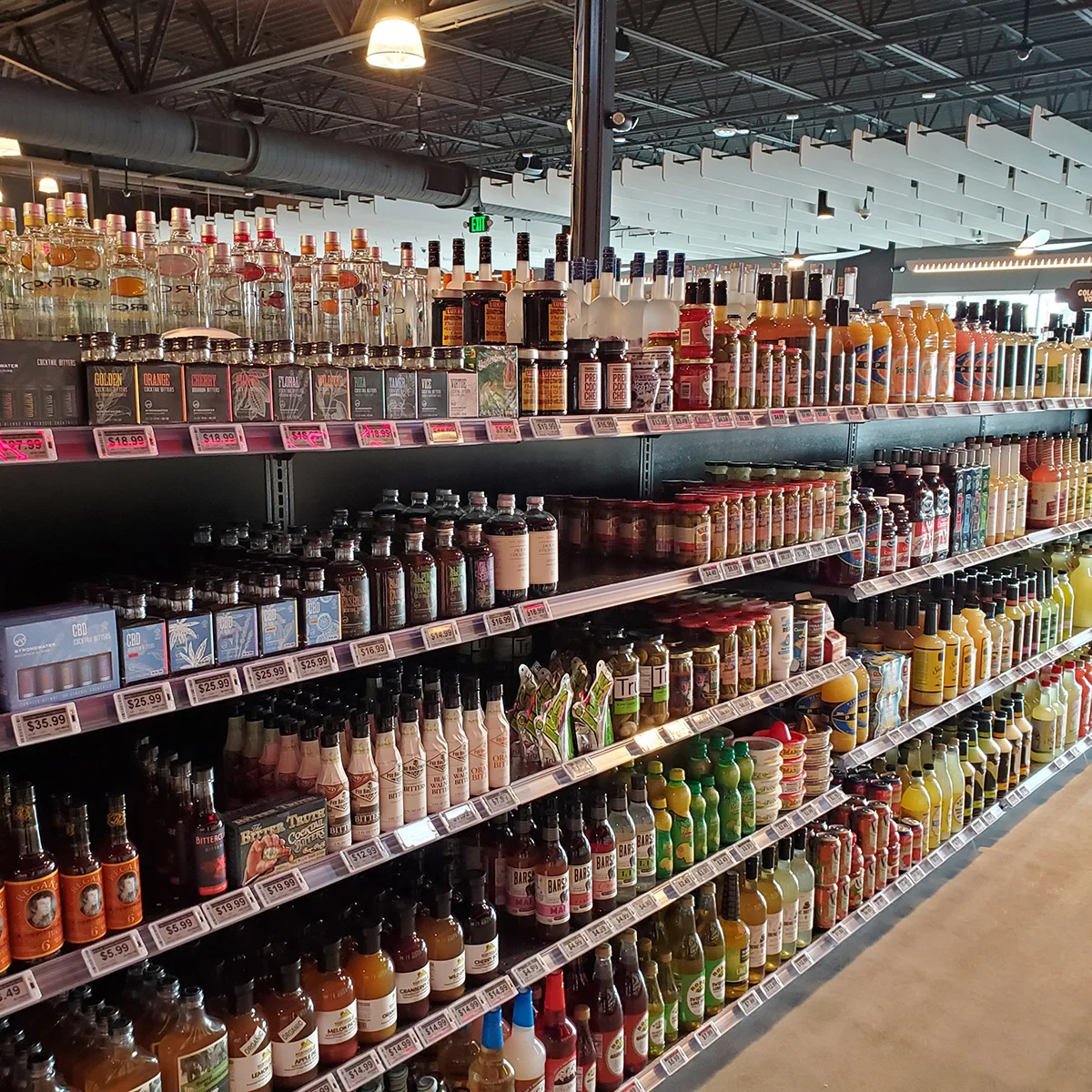
The businesses you see here run real, day-to-day pricing operations. They moved to ESL price tags because manual updates could no longer keep up.
ESLs Pricing Accuracy & Shelf-to-Checkout Consistency
Pricing accuracy is usually the first improvement retailers notice after rollout.
When a price change is entered in the POS, and shelf labels update automatically, the mismatch between the shelf price and the price charged at checkout largely disappears. That means fewer pricing errors, more consistency, and less friction for both staff and shoppers.
For large-scale retailers, that consistency matters.
It is the foundation for:
- Customer trust
- Regulatory compliance
- Reliable promotion execution across stores
For a closer look at pricing accuracy with ESLs and the KPIs that matter after rollout, explore the benefits of ESLs.

Frequently Asked Questions
What do these ESL price tags case studies measure?
Common metrics include pricing accuracy, promo execution speed, and time saved vs. manual paper tag changes.
Are MarginMate ESL tags durable enough for busy grocery and retail environments?
These case studies highlight real in-store performance, including high-traffic aisles and day-to-day handling.
How do supermarkets and grocers typically roll out ESL price tags?
Most deployments follow a phased approach (pilot → department expansion → multi-store rollout) with POS/pricing integration.
We're here to help make your store smarter and more efficient.
Ready to see how ESL price tags would work in your environment? Tell us about your store size, SKU count, pricing change frequency, and goals – and we’ll walk you through what a deployment would look like.